| | | | | | | | | | | | | | | | | | | | | | | | | | | | | | | | | | | | | | Kia ora tātou
Advocacy is a long game! Often it feels relentless, fruitless and thankless as we go into bat with politicians and agency staff to get needed change for our rural kaimahi and their community members. I often describe this as ‘dripping water on a stone’. Every drip of water seems to make no difference, but over a period of time you can look back and see even the hardest rock being worn away. The only certainty is that if the water stops dripping, or if different sources of water drip in different places, there will never be any progress. That is why it is always important to celebrate the successes of our persistence. Last week saw the release of the Ministerial Advisory Group on Aged Care in New Zealand. It was so pleasing to see direct quotes from our submissions being embedded in the recommendations, including recognition that it costs more to provide similar ARC care beds in rural areas, but that they are needed for those local communities. Rural-proofing of this document has occurred. We have to keep pressing now to ensure we are not forgotten when it comes to the action/implementation phase. This closely followed the decision by Pharmac to expand the scope of type 2 diabetes medicines to significantly widen the eligible group. While we had argued for retaining an ethnicity focus, this final outcome will include those rural Māori and Pasifika community members we were concerned about; and more! This morning we were sent a copy of the Regional and Rural Workforce Strategy 2026-28 of the Australian and NZ College of Anaesthetists. Brilliant that they have developed such a strategy to ensure there is a spotlight on ensuring continued training and service provision of anaesthetists in Regional and Rural New Zealand. This document also supports the Rural Generalist model that we are advocating for to service our communities. Full marks to ANZCA. We are concurrently working on multiple other advocacy fronts. These include: - Working with the Medical Council and various Colleges to allow for flexible supervision requirements of registrars, trainees and IMGs in rural practices.
- That Health NZ develops appropriate rural funding allocation systems to ensure rural practices that have higher costs in servicing their communities get more of the pie.
- Looking at reducing the hazards for lone-workers responding to PRIME calls.
- Ensuring that there are appropriate rural generalist pathways and recognition across all rural health professions. And these pathways are funded wherever possible.
- That Health NZ provides support for digital support systems and technology in rural primary care that the sector prioritises.
- That there is long-term planning to ensure rural communities get funded health services appropriate to their community size and rurality. Where these can’t be provided locally, that funded transport options exist to improve access to specialist hospital and specialist services in major centres.
- That the training of various health professionals is embedded in as many rural communities as possible to increase access, drive down costs and provide a local source of workforce in the future.
- And much more…
You will soon see the release of our Rural Health Election Manifesto with a number of key advocacy requests for any incoming Coalition of Parties that form a new Government after the November Election. These requests follow directly from the themes that emerged in the Aotearoa New Zealand Declaration on Rural Health 2026, developed at Rural WONCA earlier this year. We are running an on-line political panel to find out directly from each Party what they will commit to in terms of our Manifesto to improve the health profiles of rural communities. Block out your diaries now for this important Rural Health Political Panel, Monday evening 12th October 6–7:30pm. And to show that advocacy issues are only a political announcement away, yesterday afternoon we saw David Seymour declare an election pledge to remove Medical School Admission Programmes that work to ensure the future workforce in New Zealand is reflective of its community and therefore better able to meet the health needs of that community. The public need to understand that all medical schools in New Zealand ensure that every one of their graduates is of a consistently high standard. What we need to preserve and further develop are pathways to allow those who have not had the privilege of the best private school backgrounds, an opportunity to enter these training programmes. I want a future where we don’t just measure success in terms of academic excellence, but where health professionals are equally recognised for their social, cultural, emotional and spiritual skills; so that they can meet the needs and expectations of a diverse community. Those most at risk of discrimination if Minister Seymour gets his way will be rangatahi from rural, Māori, Pasifika and low socioeconomic backgrounds who want to train to provide health services back to their communities. Please be aware that our advocacy efforts are carried out by a small number of skilled, passionate and clever folk within Hauora Taiwhenua, supported by the volunteer efforts of our members. If you want to make a difference, then join us and strengthen our voice! That strength of voice managed to change the Pae Ora Healthy Futures Legislation to make Rural Communities a visible part of the Act and therefore a necessary part of Health NZ’s strategy, plans and accountability measures. We are making that long term difference. Be part of our dripping water programme! Mauri ora Grant | | | | | | | | | | | | | | | | | | | | | | RNZ Country News: Training the future of rural healthcare How simulation and rural immersion are helping prepare the next generation | | | | Two “fake” hospital rooms in Ashburton are playing a very real role in strengthening Aotearoa’s rural health workforce.
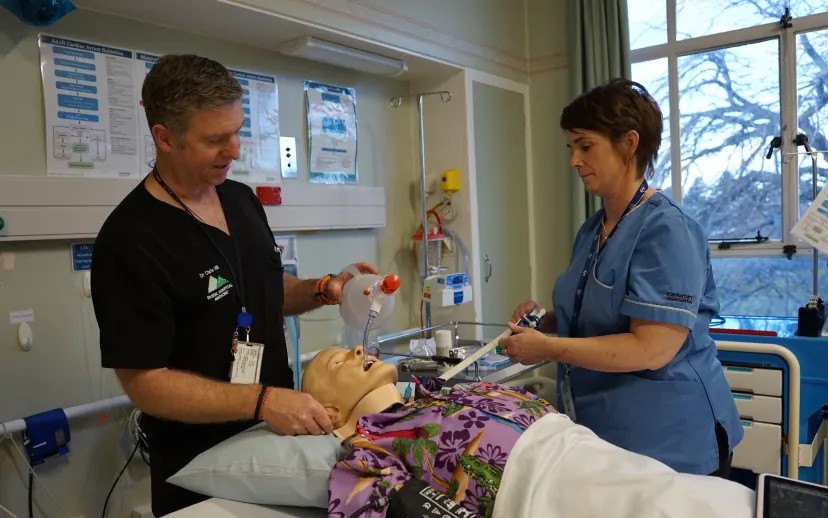
A recent RNZ Country Life story takes readers inside the Rural Health Academic Centre, Ashburton (RHACA), where high-tech simulation mannequins are helping doctors, nurses and other healthcare workers practise complex procedures in a safe environment.
The simulation suites are also used to support University of Otago medical students completing the Rural Medical Immersion Programme (RMIP), giving students hands-on experience across both general practice and hospital settings.
For former RMIP students who have returned to Ashburton as doctors, the experience has helped demonstrate the opportunities and rewards of rural healthcare – from greater hands-on experience to the strong sense of community that comes with working in a rural hospital.
The story highlights how training, exposure and connection with rural communities can help inspire the next generation of rural health professionals.
Read the full RNZ Country Life story below: Country Life: How two fake rooms inside Ashburton Hospital are helping keep rural medicine alive | | | | | | | | Helping stroke survivors stay mobile, connected and independent Jo Lambert, CEO of Stroke Aotearoa New Zealand, on supporting independence after stroke.
| |
For people living in rural Aotearoa, being able to get around independently can be about much more than convenience. Distance between homes, health services, shops and community facilities can make mobility an important part of staying connected with whānau, accessing care and maintaining independence.
Stroke Aotearoa New Zealand is helping make that possible through its National Mobility Fund, with $600,000 available to support eligible stroke survivors across Aotearoa with mobility equipment.
Thanks to the generosity of the late Peter Morath, who included a gift in his will for this purpose, the fund provides support towards a mobility scooter or power chair, including assessment and delivery. Applicants are supported through an individual assessment process, delivered in partnership with Independent Living Charitable Trust, to identify the equipment that will best meet their needs.
Jo Lambert, CEO of Stroke Aotearoa New Zealand, says, “A mobility scooter or power chair can mean being able to get to the shops, attend appointments, visit friends or whānau, or simply get out of the house without having to rely on someone else. For people living rurally or further from essential services, that independence can be even more significant. It can open up their world again and help them stay connected to the people and places that matter to them.”
People living in aged residential care may also be eligible, with a clinician required to confirm that their disability and mobility needs are a result of their stroke.
Supporting people where they liveStroke Aotearoa New Zealand also has support grants available for people affected by stroke in Northland and Tauranga, made possible through generous bequests.
These grants can help with a range of practical costs, including physiotherapy, driving assessments, education and support for stroke groups, and meeting room hire.
For people living in rural and regional communities, this practical support can help reduce some of the barriers to accessing rehabilitation, information and peer support, while also supporting local stroke groups to provide connection within their communities.
“We hear time and again how much these grants can mean to people and their whānau. Sometimes it’s something as practical as helping someone access physiotherapy or complete a driving assessment, but the impact goes well beyond the immediate cost. It can help someone regain confidence, reconnect with their community and feel like they have more control over their recovery. Those seemingly small things can make a very real difference to someone’s quality of life after stroke,” says Jo.
The ability to move, connect and participate in everyday life is an important part of stroke recovery and wellbeing. By helping remove some of the financial barriers to mobility and support, these funds can make a practical difference to people and communities across Aotearoa.
If you or someone you support could benefit from the National Mobility Fund or other support available through Stroke Aotearoa New Zealand, find out more about eligibility and how to apply.
Find out more: National Mobility Fund – Stroke Aotearoa New Zealand Other grants for people affected by stroke: Grants for people affected by stroke – Stroke Aotearoa New Zealand | | | | | | | | | | Connecting with the primary care workforce | | It has been a busy few months for the NZMedJobs team, with opportunities to connect with health professionals across Aotearoa at several key sector conferences.
In June, Debra and Dave attended the Nurse Practitioners New Zealand Conference in Queenstown, connecting with Nurse Practitioners from across the country, engaging with current sector priorities and strengthening relationships across primary care.
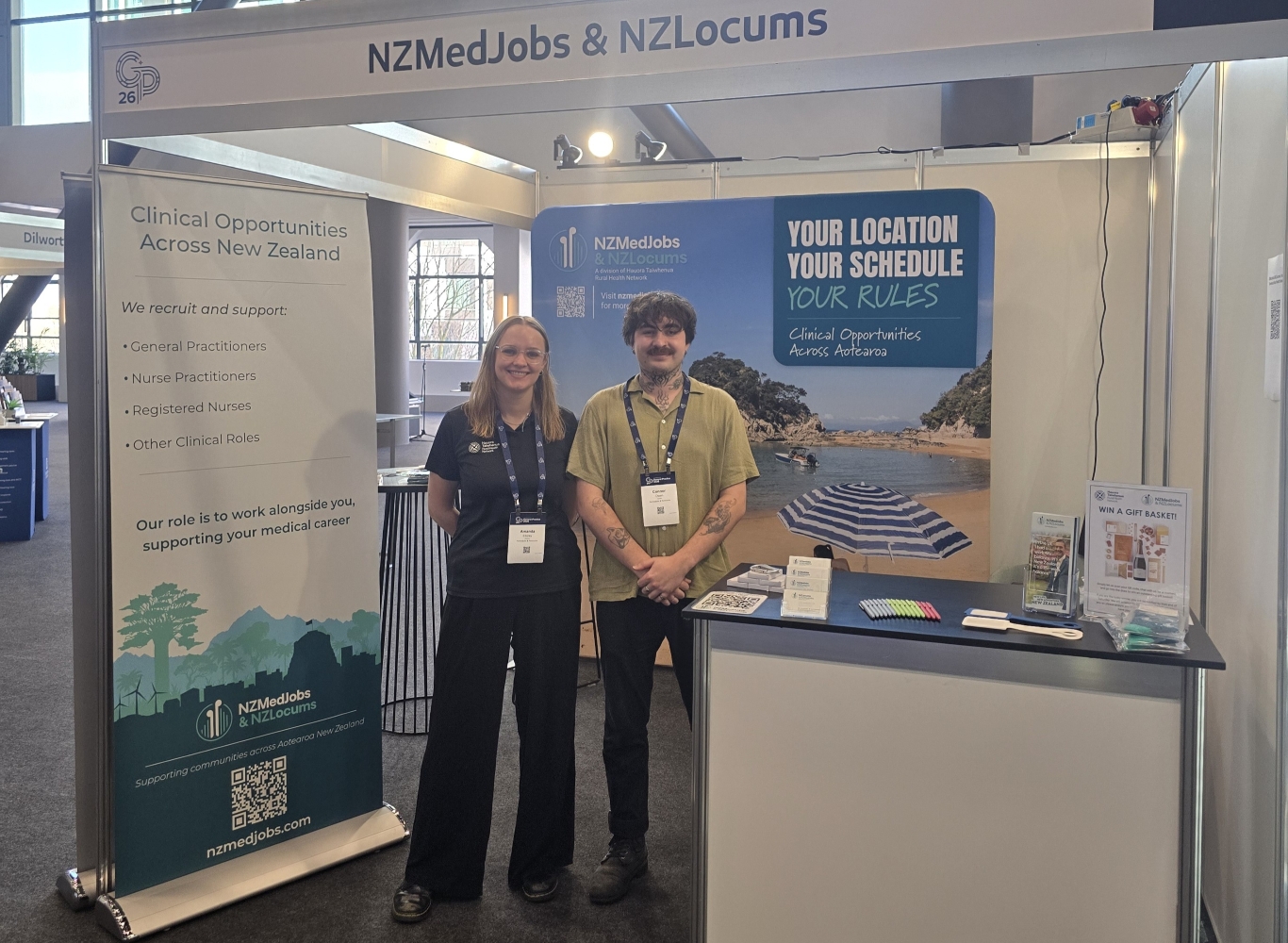
The team was also out and about at GP26 in Auckland in July, with Amanda and Connor (top) connecting with general practice colleagues from across Aotearoa. The conference provided a valuable opportunity to strengthen relationships, keep up to date with developments across the sector and promote opportunities in rural health through NZMedJobs & NZLocums.
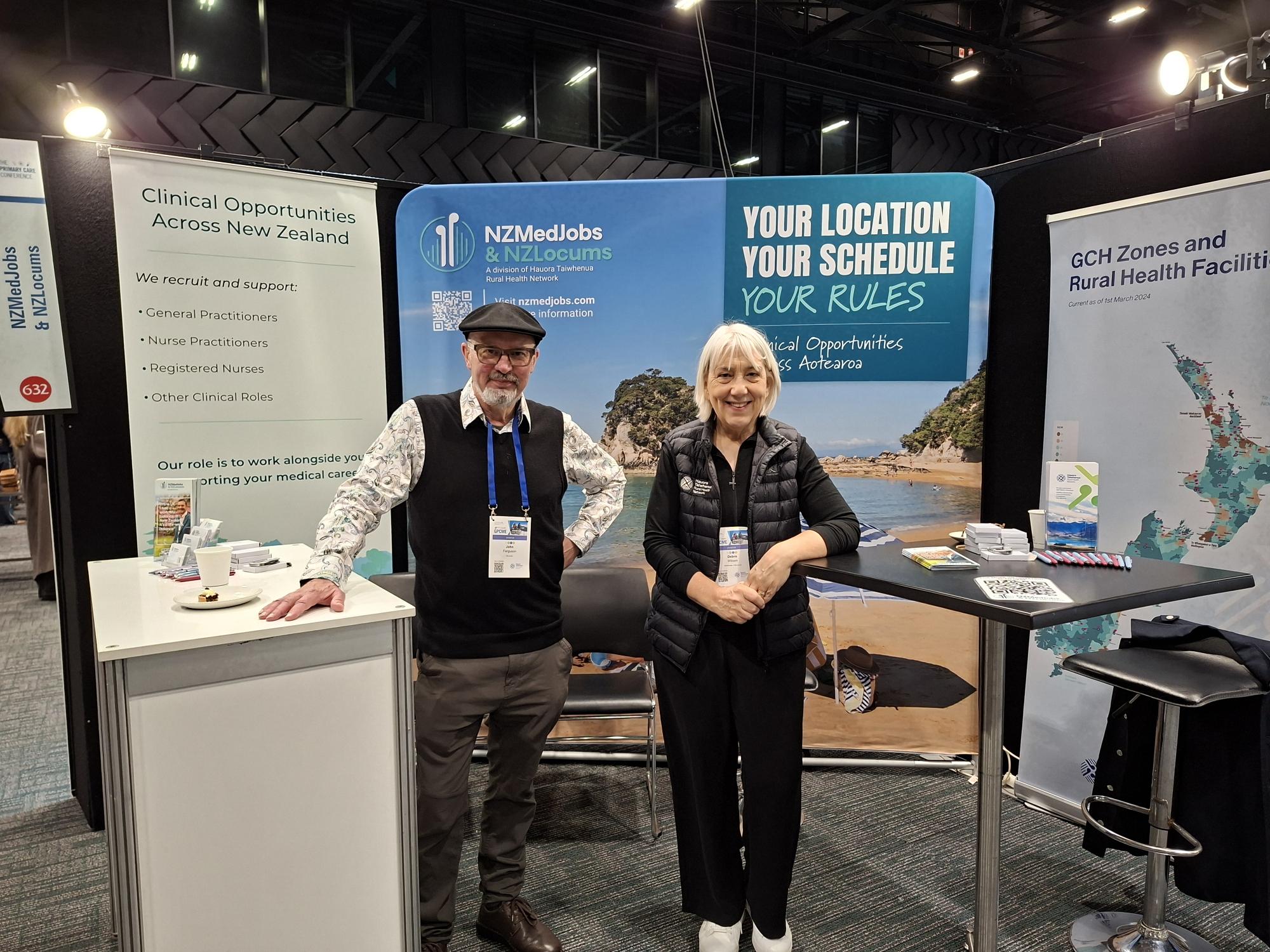
Most recently, John and Debra (bottom) represented NZMedJobs at the GPCME South Conference in August. They connected with GPs and other health professionals from across the sector, showcasing the opportunities available through our recruitment team and building relationships with the wider primary care workforce.
Thank you to everyone who took the time to connect with our team at these events. We enjoyed meeting colleagues from across the health sector and sharing more about the opportunities available through NZMedJobs & NZLocums. | | | | | | Assistance With Direct Recruits Found a health professional through your own networks? Let us help with the rest. For rural practices, NZMedJobs can provide screening, compliance, and onboarding support for direct recruits at no cost, helping save time and reduce administrative workload. We can assist with, but not limited to: - Police and disclosure checks
- Reference verification
- MCNZ registration support
- INZ visa guidance
- Offer and contract advice
As an added benefit, health professionals referred through NZMedJobs also receive free access to our three-day Orientation Programme, designed to help them settle into New Zealand's health system and workforce with confidence.
Upcoming NZMedJobs Orientation: 7–9 September | Online via Teams Delivered monthly via Teams, the programme covers key topics including: - General practice and rural nursing
- Pharmac’s role in New Zealand healthcare
- Tax obligations
- Work and Income (MSD)
- Medical Protection Society (MPS)
- Accident Compensation Corporation (ACC)
- Māori culture, the Treaty of Waitangi and health equity
Participants also receive three months’ access to our online information hub, which includes up-to-date resources and materials from each presenter. This provides a reliable source of information and support throughout your learning journey. Want to know more? Luke Baddington
General Manager, Workforce
📧 luke.baddington@nzmedjobs.com
📞 021 673 233 You find the candidate. We'll help get them across the finish line. | | | | | | | | | | H5N1 Bird Flu: Information and Guidance for Rural Communities Colin Hannah | | For the latest information, please check the following website: HPAI or high pathogenicity avian influenza | NZ Government. The Ministry for Primary Industries (MPI) regularly updates information about this disease incursion.
H5N1 is a viral disease that affects bird populations and has also been detected in some mammalian species. It first emerged in China in 1996, and a more virulent strain emerged in 2020. Human infection is rare, and the risk to the general public remains low. For information about health risks and personal safety, please visit the Health New Zealand website: Bird Flu Biosecurity Aotearoa
Good hygiene practices are important for reducing any potential risk to human health.
H5N1 clade 2.3.4.4b has been circulating globally since 2022, with initial widespread outbreaks occurring in the Northern Hemisphere. The virus has since spread to the Southern Hemisphere as migratory birds carry the disease during their seasonal movements between hemispheres.
Under MPI biosecurity regulations, landowners operating laying or broiler flocks of more than 100 birds must be registered. Most registered operators will have been contacted and will have plans in place to manage a potential outbreak.
Because the disease is established in wild bird populations, it is not currently considered eradicable anywhere in the world. It is therefore expected to continue spreading throughout New Zealand.
Vaccines are available for H5N1; however, widespread vaccination of commercial poultry populations is generally not considered economically viable. The Department of Conservation (DOC) is using vaccination to help protect significant native bird populations. Evidence from overseas suggests that while the disease can cause substantial losses, it does not necessarily eliminate entire populations, and some birds may recover and develop a degree of immunity.
In the event of an outbreak, there may be limited compensation available. Affected individuals should refer to MPI guidance regarding eligibility and support arrangements.
Additional information is available from veterinary practices and animal feed suppliers.
Given the biosecurity plans that are already in place, it is unlikely that the arrival of H5N1 will significantly affect the supply of eggs in New Zealand.
What can you do to protect yourself? This advice is primarily intended for farmers, lifestyle block owners, and their healthcare providers.
The virus is spread mainly by wild birds, so protecting domestic poultry is essential. Regularly clean poultry housing and replace bedding. Store feed securely and keep it covered to prevent wild birds from accessing it or contaminating it with droppings. Ensure birds have access to clean water that is protected from contact with wild birds. Outdoor enclosures should be constructed with mesh fine enough to prevent entry by wild birds.
If you find dead or sick birds, report them to MPI. Reporting suspected cases helps authorities monitor and respond to the disease effectively.
Before handling any dead birds, ensure you have appropriate personal protective equipment (PPE). Dead birds should be disposed of in accordance with MPI guidance and should not be transported unnecessarily, as this may increase the risk of spreading the disease. Suitable PPE includes: - Safety glasses or eye protection
- A face mask
- Gloves
- Protective clothing
- Washable footwear or gumboots
Information for Healthcare ProfessionalsHealthcare professionals should be aware that both adults and children may experience emotional distress following the loss of pet chickens or other domesticated birds as the disease spreads. For some individuals, this may result in prolonged grief, anxiety, or other mental health concerns that may require appropriate support and follow-up. | | | | Rural ideas in seven minutes: introducing our Chapter lightning talks Te Whare Taumata o Te Mātauranga Taiwhenua | Research and Education Chapter | |
There is a great deal of rural research and education activity happening across Aotearoa, but we do not always have an easy way to see it, learn from it or find the people behind it. The Rural Health Research and Education Chapter is introducing a new lightning talk item within its regular hui to help make this work more visible and create new connections across our rural health community.
Each talk will be short, accessible and followed by time for kōrero. Members will be invited to share research in progress, postgraduate study, recent publications, rural education initiatives, innovative teaching approaches, evaluation and quality improvement work, or an idea for which they would welcome collaborators. The work does not need to be finished. We are equally interested in emerging questions, practical learning and projects at an early stage.
The Chapter is interdisciplinary and we warmly welcome contributions from clinicians, researchers, educators, community partners and teams across rural health and wellbeing. We hope the talks will help experienced and emerging colleagues learn from one another, strengthen rural research and education networks, and connect good ideas with people who can help them grow.
Our first talks will be announced shortly. If you would like to offer a talk, nominate a colleague or suggest a topic, please contact the Rural Health Research and Education Chapter through Ashley Darbyshire, at: ashley.darbyshire@htrhn.org.nz | | | | | | | |
Will you be at PMAANZ26
Practice managers, administrators, receptionists, and admin staff at every level across Aotearoa — PMAANZ26 is for you. Join the community from 17–19 September 2026 at the iconic Michael Fowler Centre in Te Whanganui-a-Tara | Wellington. Why attend? Learn — practical insights from industry experts on the trends and challenges facing your practice today Connect — meet peers from across the motu, share what’s working, and build relationships that last well beyond the conference Recharge — the optional Masterclass offers real strategies for managing stress and wellbeing in a demanding role Set on Wellington’s waterfront, PMAANZ26 brings learning, connection, and a bit of inspiration together in one of the country’s best conference venues. Whether you’re new to the role or years into it, you’ll come away with fresh ideas and renewed motivation for the work ahead Don’t miss out – register here | | | | | | | | | | Member Spotlight: Michelle Scott | |
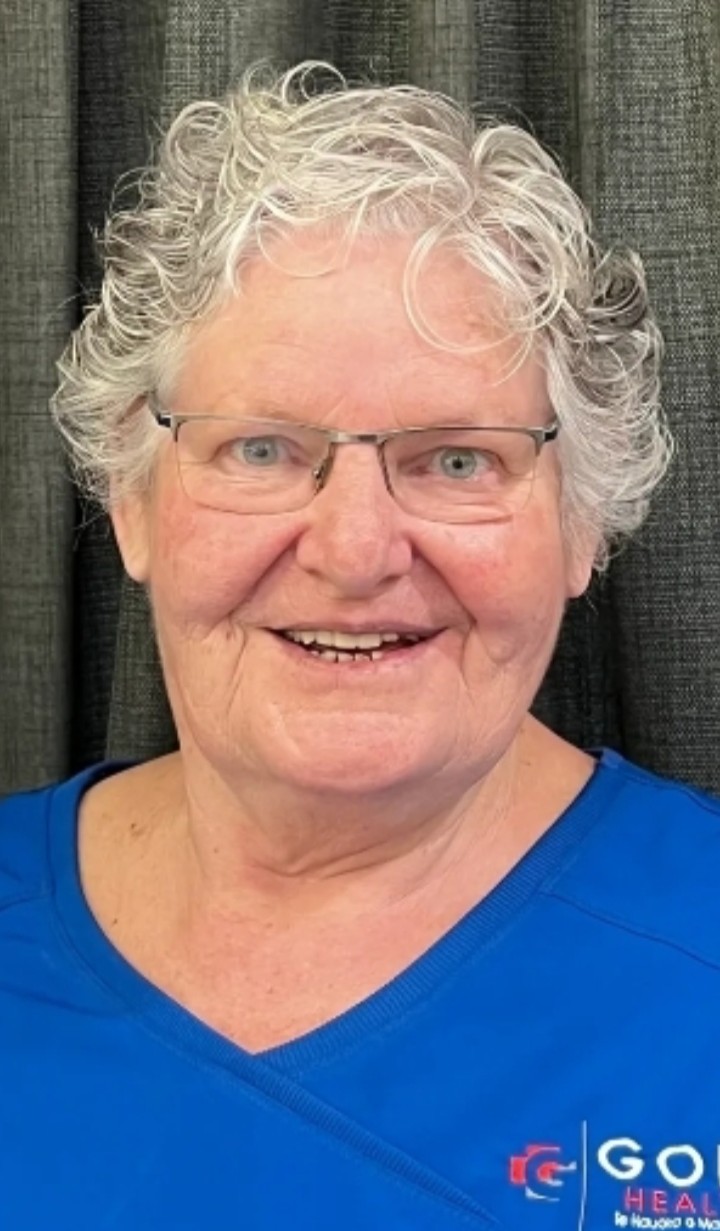
Kia ora koutou My name is Michelle Scott, I am a proud Mum to three adult daughters and a very proud Nonna to a little granddaughter and soon to be born grandson. I have an English Springer Spaniel who brings me joy every day and I love to garden. I’ve also been a midwife in Rural Southland for more than 20 years, much of that time as a Remote Lead Maternity Carer (LMC) and I am now very proud to be employed at Gore Health Ltd. My commitment to Rural Health started before I had my first daughter when the local “Maternity Home” closed and I had to travel almost 100km to a large secondary hospital to have my baby. Minutes after she was born, I declared: 1) I want to be her (the midwife), and 2) rural women deserve rural care. So here I am.
Although I was aware of Hauora Taiwhenua, it never really occurred to me that I could join. I work full time and have been a Member of the Midwifery Resolutions Support Team for many years and mentor new graduate midwives as part of the Midwifery First Year of Practice programme, so felt I was “contributing” but when my boss, Gore Health Ltd CEO Karl asked me to consider becoming a member, I accepted the opportunity whole heartedly.
| | | |
The key challenges I see in rural health at this time is that basic health services are so stretched, GP’s, dentists, mental health support, alcohol and drug rehabilitation and physiotherapists have long wait times, at best. This contributes to increased numbers of people not receiving primary health until they are very unwell or presenting to Emergency Departments for care they have a right to receive in the community. Services specific to pregnant people are equally affected, in Gore there is no ultrasound provider which means families need to travel 80+ kilometres (minimum) to have a routine ultrasound, this is expensive, and many families have to forgo basic food just to receive routine cares. Although Gore Health is one of the busiest primary birthing units in New Zealand, with close to 100 births a year, the number of women able to birth at Gore Maternity has decreased over the past four years. This is due to many reasons, usually in the best interest of the mama or pepi’s wellbeing, but it again impacts on whanau being a long way from their other children, their support network, their farming obligations and the more personalized care and breast-feeding support they can receive in a Primary Birthing Unit, we see the flow-on affect to women’s postnatal mental health. These are challenges that are not easily overcome, but I truly believe, that when families receive outstanding maternity care in rural settings our reputation goes from strength to strength and having a whole community support a Primary Rural Birthing Unit is pretty amazing. Personally, most of my achievements or success stories are pretty “insignificant” just doing my job kind of stories. But being approached by a woman in a garden centre car park with her 12-year-old daughter telling me she will never forget me and the way I helped her with her first baby still chokes me up a bit. One of our real team achievements that really emphasis the high regard Gore Maternity has in our community happened a couple of years ago. We needed to replace our infant transfer incubator and were asked if we would like to raise funds toward this. We decided to have a “walk-a-thon”, a few raffles and a sausage sizzle, we imaged being able to raise a few hundred dollars to contribute. We raised more than was required to purchase the incubator, we held a great family day that people felt proud to participate in, we all felt the support of a community that we do our very best to support. I’m a very experienced in all aspects of rural Maternity care but my greatest strength is to be surrounded by a Team of colleagues who support each other unconditionally, while we share similar philosophies, we do have different practices but when the need arises, and it does, they are the people I want beside me. Their skill is exceptional. Their passion palpable. And their knowing when a coffee, a scone and a chat is needed is remarkable. I feel very fortunate to work within a rural hospital that offers a huge amount of support to birthing people and the team who care for them, to see the commitment from Management to provide a pleasant, relaxing, well supplied birthing unit and for always knowing a Medical Officer and a Team of ED Nurses will respond to a call for help. My personal philosophies as a midwife, and a human being, is to meet people where they are, to offer all I can, and that we all do better when we all do better. Kia Kaha Michelle Scott
| | | | Member Benefit: Kora Work Perks – We’re saying ‘tanks’ and helping you save on fuel
| | Want to pay less at the pump? Silly question. Of course you do. | | SOME GREAT NEWS Hauora Taiwhenua Rural Health Network has teamed up with Kora fuel cards to give you 13c off pump price every litre at Waitomo or Mobilcard stations until 30 September 2026. (Then 10c off pump price every litre after that.) Plus, you’ll get extra promotional bonuses through the year.
HOW MUCH CAN YOU SAVE? Most Kiwi households save between $300 and $400 a year. Most small businesses save $600 – $800 per year.
HOW DOES IT WORK? Kora fuel cards are like a fuel utility bill. You can choose to pay weekly, fortnightly or monthly. There is a monthly membership fee for the cards and its just $1 a month. You can have as many cards on the account as you need!
HOW DO I APPLY FOR A KORA FUEL CARD? 1. It takes less than 5 minutes to apply online. 2. Boom! Once your request has been accepted, we’ll courier your Kora fuel cards to your place.
Watch your money go further. | | | | | | | | | | | | | | Funding for Training and Workforce Development AVAILABLE TO PRIMARY AND RURAL HEALTH TEAMS | |
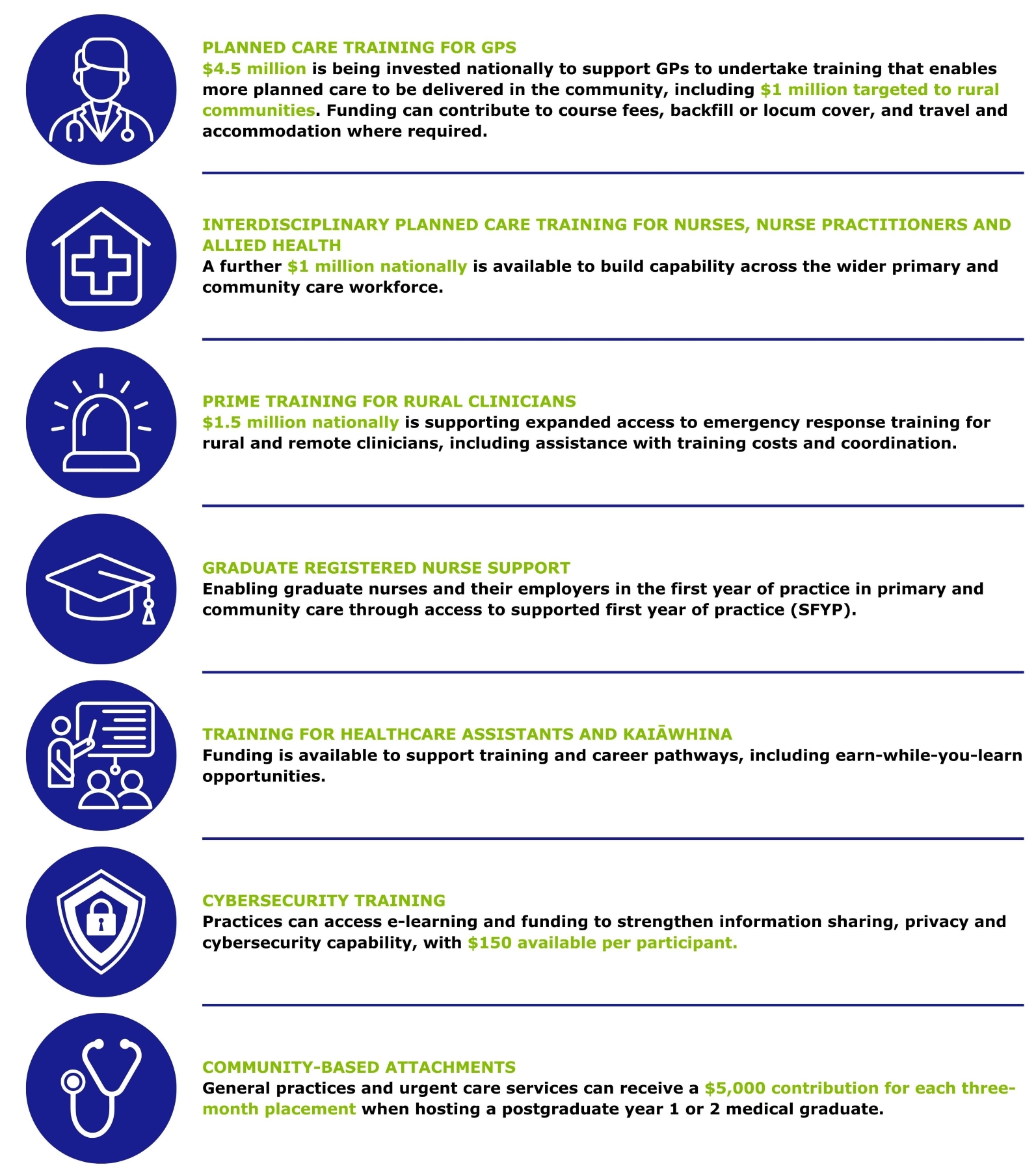
There are a range of workforce development opportunities available to primary, community and rural health professionals through Health New Zealand, supporting clinicians and health teams to build capability, expand services and strengthen the workforce in their communities. | | | | | | | | | | | | Voluntary Bonding Scheme: 2026 registration of interest is now open | |
The 2026 intake registration of interest period is now open, for 4 weeks from Thursday 27 August to Wednesday 23 September 2026 at 5pm. To register your interest use the link below.
Voluntary Bonding Scheme registration
Eligible categories for the 2026 intake are listed below. The full 2026 intake terms and conditions for each eligible profession are now available at the link below. - Nurse Practitioners, Registered Nurses and Enrolled Nurses
- Pharmacists
- General Practice Trainees
- Midwives
- Anaesthetic Technicians, Radiation Therapists, Medical Physicists and Sonographers
- Dentists and Oral Health Therapists
Voluntary Bonding Scheme 2026 terms and conditions
Registrations must be received within the registration period. - Late registrations cannot be considered.
- Registration does not guarantee a place on the scheme.
- If the scheme is oversubscribed, a selection process may be undertaken.
After the registration period closes, completed registrations are assessed by Health NZ. Once the assessment and approvals process is complete, registrants are advised if they have been formally accepted or declined to the scheme. | | | | | | Digital Health AI Summit explores security and equity | |
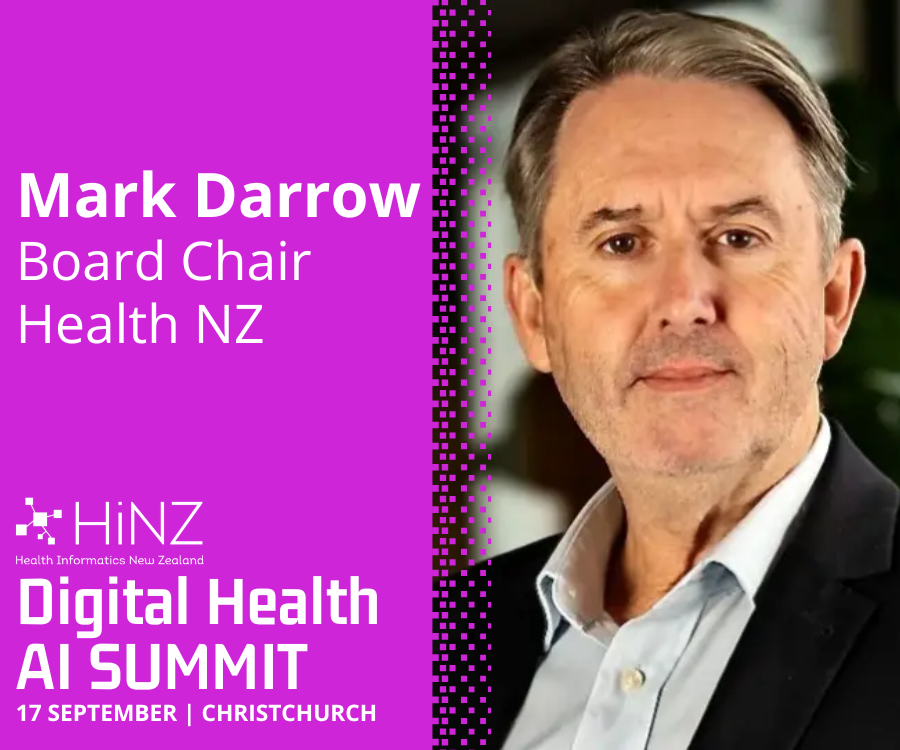
The Digital Health AI Summit is coming to Christchurch on 17 September, bringing together health and technology leaders to explore the opportunities and challenges of artificial intelligence in healthcare.
This year’s theme is “Security and Equity by Design”, with the programme featuring a session on AI powering primary care, a presentation on the HealthX programme, and a keynote from Health New Zealand Chair Mark Darrow.
Hauora Taiwhenua members can attend at the discounted member price of $199, reduced from $299. Use the code NZRHN at checkout to redeem the discount. | | | | | | Farming Women Tairāwhiti - 2027 Tertiary Health Scholarship | |
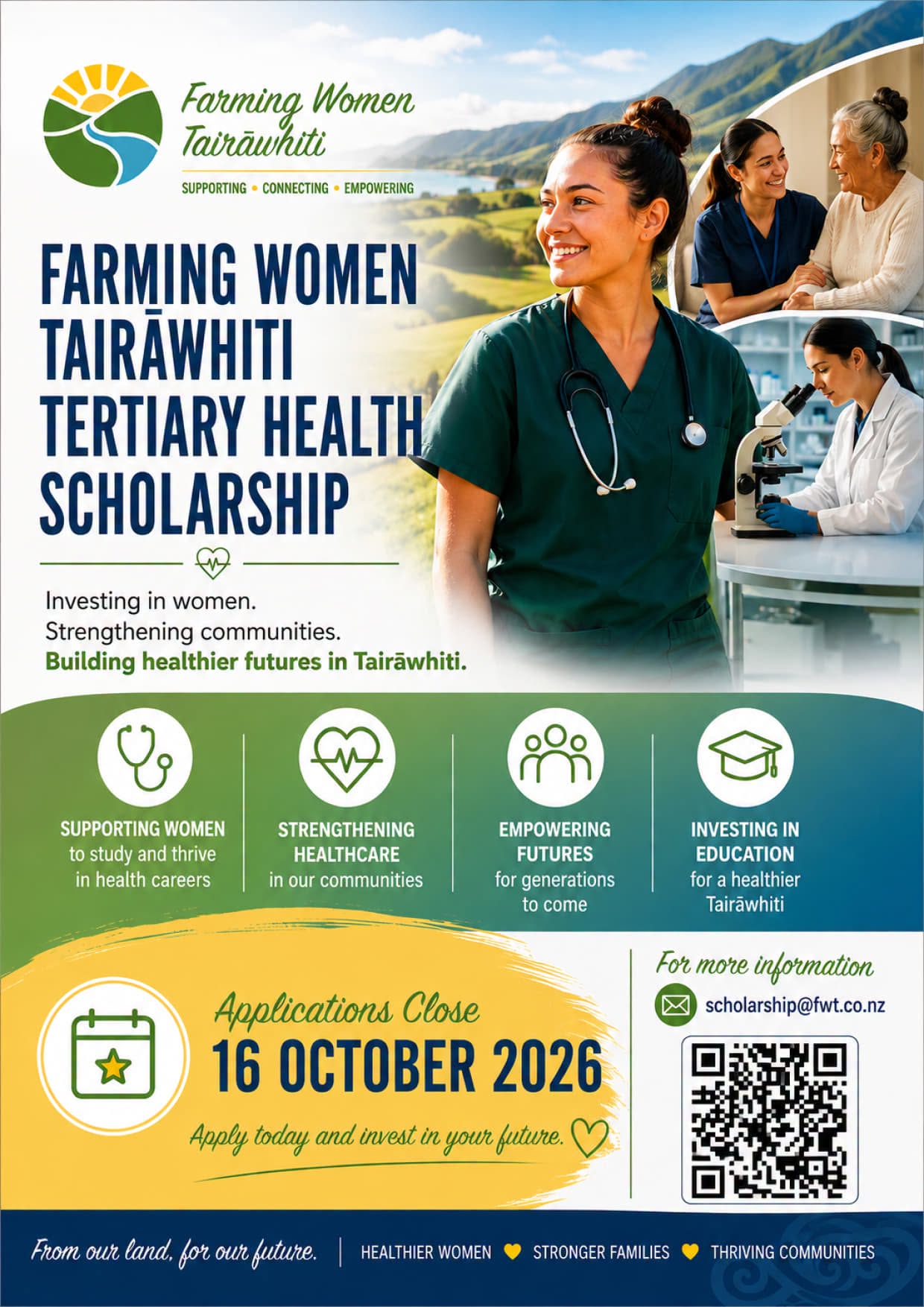
Farming Women Tairāwhiti (FWT) are thrilled to launch their new 2027 Tertiary Health Scholarships, which are open for applications from students in our region.
By awarding four $5,000 scholarships, Farming Women Tairāwhiti are helping to build the future of healthcare locally.
If you are a second-year or subsequent-year health student, they'd love to support your journey and help ease the financial pressure.
Applications are now open and close 16th October 2026.
Opportunities like this don’t last — so please take advantage and apply today. Check out the link below | | | | | | Girls’ Flight Out takes off at Doc Edge | | | |
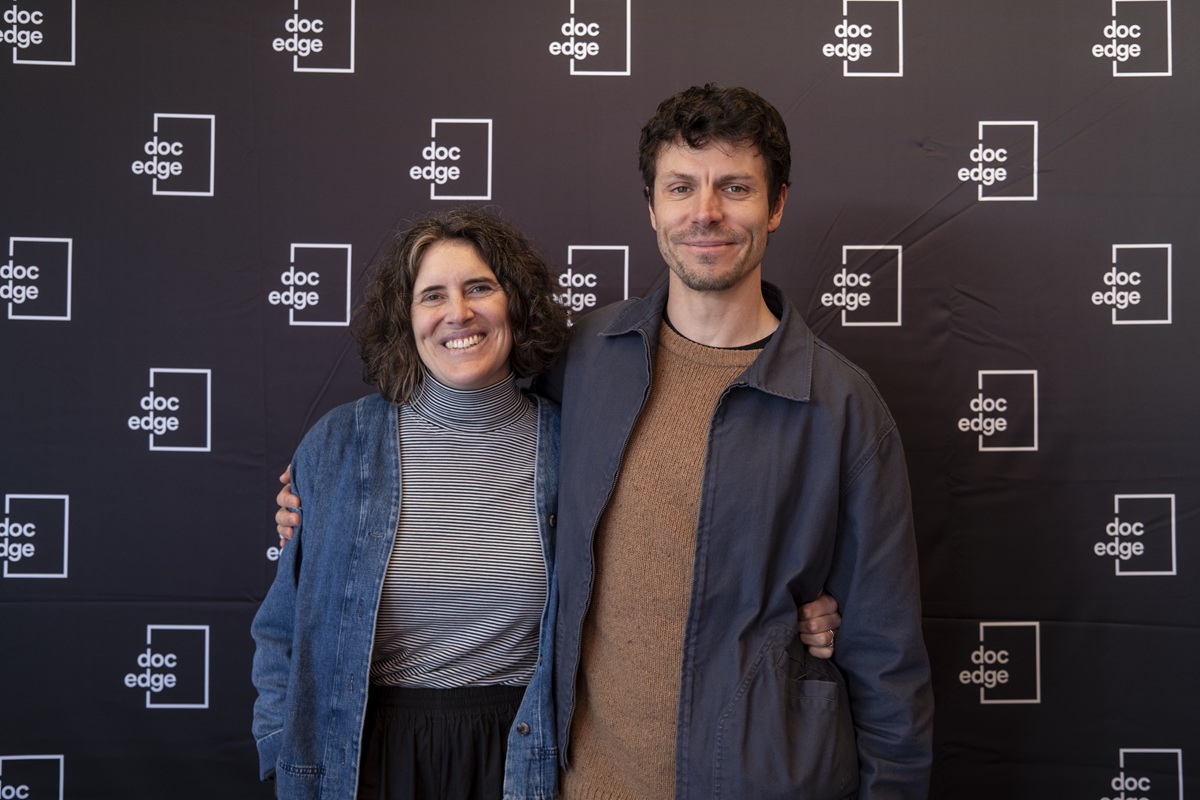
The journey continues for Girls’ Flight Out, the 28-minute documentary telling the story of wāhine from the remote Chatham Islands who make a biennial journey to Ōtautahi Christchurch for life-saving breast screening.
Produced by Anna Frances Pearson, Nick Kowalski and Ocean Mead, the film celebrates an innovative breast screening programme that has been quietly supporting Chatham Islands women for years. After its world premiere, Girls’ Flight Out went on to screen five times as part of the 2026 Doc Edge Festival, including screenings in Auckland, Wellington and Christchurch.
The Christchurch screening was a sold-out event, with 180 people attending, while the film was also celebrated closer to home with a special screening at Hotel Chathams. Many of the women featured in the documentary attended, with even a red carpet rolled out for the occasion.
The film's journey also included a special screening for staff at ScreenSouth, the organisation that administers BreastScreen Aotearoa across the upper and lower South Island through BreastScreen South and BreastScreen Otago Southland.
The response to Girls’ Flight Out reflects the power of a story that is uniquely rural and deeply human. The documentary follows a journey that is both literal and emotional, while shining a light on the realities of accessing healthcare from one of Aotearoa's most remote communities.
The film team is now awaiting the results of several international film festival submissions and exploring opportunities to make the documentary more widely available through media and online platforms.
In the meantime, the team is also able to provide access to Girls’ Flight Out for private screenings, conferences and other suitable events. The filmmakers hope the documentary will continue to be used to spark conversations about breast screening, health equity and the importance of ensuring rural and remote communities can access the care they need.
Interested in hosting a screening or learning more about the film? Contact the Girls’ Flight Out team for further information.
| | | | Applications open for obstetrics and gynaecology study | |
Applications are now open for 2027 study in the University of Otago’s Postgraduate Diploma in Obstetrics and Medical Gynaecology (PGDipOMG) and Postgraduate Certificate in Pregnancy and Medical Gynaecology (PGCertPMG).
These programmes provide further study opportunities for health professionals looking to build their knowledge and skills in obstetrics, pregnancy and medical gynaecology.
Applications for 2027 close on 1 November 2026, with late applications considered only if places remain available. There are also a limited number of spaces available to begin studying sooner through selected distance papers in 2026. These can be completed as standalone papers towards a Certificate of Proficiency (COP), with credits able to contribute towards the Diploma or Certificate.
The four distance papers are taught online through Aoroa and include six Zoom classes and six assignments. Classes are generally held on Tuesdays from 6pm–8pm.
Interested in applying or finding out more? Visit the University of Otago programme pages below. | | | | | | | | Postgraduate nursing funding changes for 2026 | | Health New Zealand has outlined changes to postgraduate nursing funding for primary and community providers in 2026.
Under the Primary Care Tactical Action Plan (PCTAP), national funding has been allocated specifically for the primary and community nursing workforce to support postgraduate study and clinical advancement. In 2026, 232 postgraduate scholarships were awarded, with a further 87 nurses supported as Nurse Practitioner candidates.
The funding specifications mean that the Health and Hospital Services (HHS) postgraduate funding is available for Health New Zealand-employed registered nurses (RNs) only.
Alternative funding optionsThe annual opportunity for PCTAP scholarship applications opens on 10 August, with information webinars also available. Primary care RNs can find information about eligibility and applications through the Registered Nurse Primary Care Scholarship page.
Newly established community-based regional workforce development services may also be able to help applicants navigate other study assistance options if they miss out on a PCTAP scholarship or are unsuccessful.
Regional workforce development services include: These funding and support options may help primary and community nurses access postgraduate education and continue developing their clinical practice. | | | | Primary Care Health Target Measurement Now Underway | | Health New Zealand has officially begun national measurement of the Primary Care Health Target, marking a significant milestone in understanding and improving access to general practice across Aotearoa.
Nearly 95% of general practices have signed the Interim Primary Care Health Target Information Sharing Agreement, providing the most comprehensive national picture of access to general practice services to date.
Appointment data collected between July and September 2026 will form the first reporting quarter, with national, PHO and district-level results expected to be published later this year.
The data will be used to support: - local planning and service improvement
- validation of results before public reporting
- ongoing improvements to data quality and access to primary care.
Health New Zealand has also released a first-year implementation plan, outlining how it will establish a national baseline, strengthen data systems, and work with practices, PHOs and regions to improve timely access to primary care over time.
For rural communities, reliable access to primary care remains a key determinant of health outcomes. Consistent national data will help identify where improvements are needed and support more informed planning to ensure rural people can access care when and where they need it. | | | | | | Expression of Interest for Rural Procedural Sedation Simulation Course | |
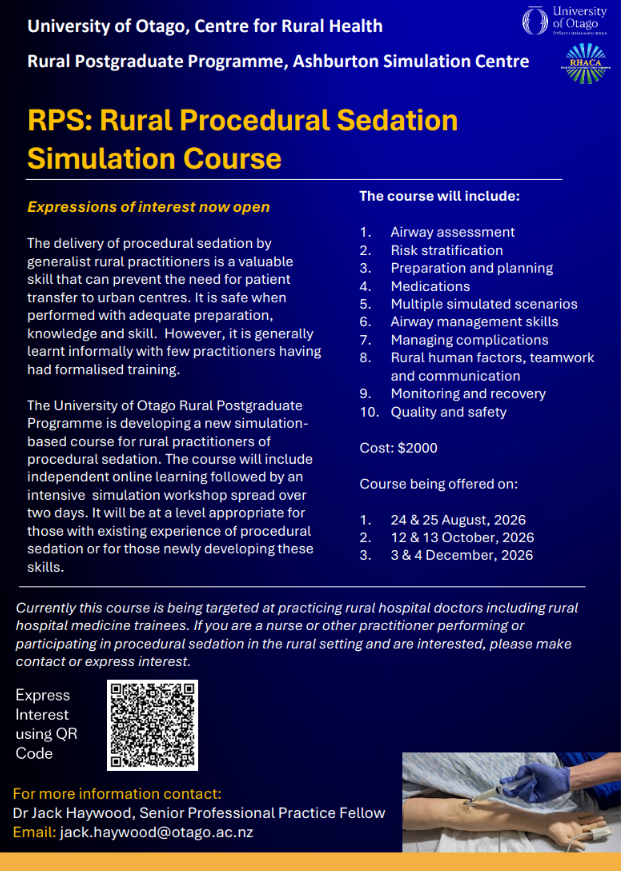
The University of Otago’s Centre for Rural Health is developing a new simulation-based course for rural practitioners of procedural sedation - SPARC (Simulated Procedural sedation and Analgesia in the Rural Context). This course is unique in that it offers simulation-based training in procedural sedation specifically for the rural context. The course will include independent online learning followed by an intensive simulation workshop spread over two half-days to allow travel to and from the course on the days it runs. This year the workshop will be at the Rural Health Academic Centre Ashburton with three choices of dates: 24–25 August 2026 12–13 October 2026 3–4 December 2026 It will be at a level appropriate for those with existing experience of procedural sedation or for those newly developing these skills. We are currently seeking Expressions of Interest (EOIs) from people interesting in attending. If you are interested, please use the link below to submit your EOI.
| | | | | | | | | | If you have feedback for us or want to reach out to us regarding something, feel free to contact us via the details provided below.
Write an email to communications@htrhn.org.nz to get connected with our team.
| | | | | | | | | | | | | | | | | |